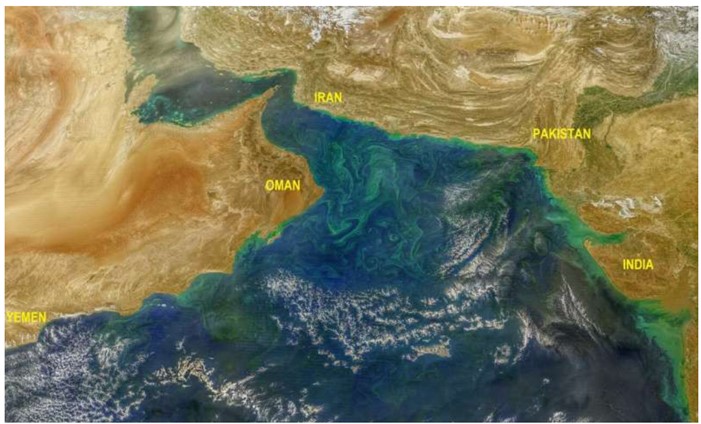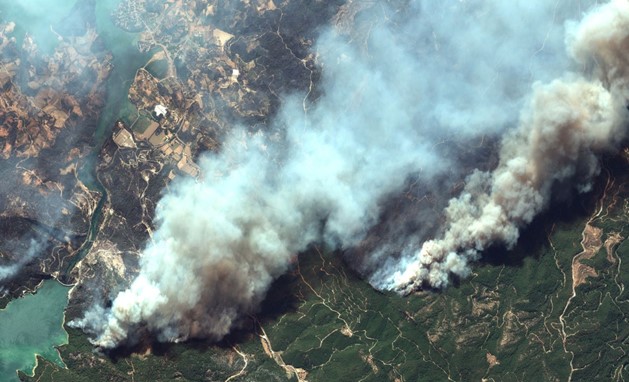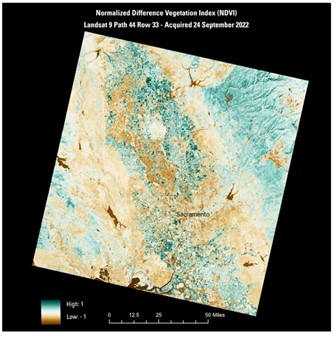

In recent years, one of the most significant environmental issues threatening aquatic ecosystems is the occurrence of algal blooms and mucilage formations in seas. Algal blooms negatively impact water quality by reducing oxygen levels, while mucilage disrupts the ecosystem’s balance by forming a sticky layer on the water surface. Both of these problems pose a threat to biodiversity and have serious negative effects on economic activities. Due to climate change, pollution, and human activities, these events have become more frequent and intense. Monitoring them is the first and most crucial step in taking preventive measures. Satellite images stand out as an effective tool for detecting and tracking algal blooms and mucilage formations across large areas. In this blog post, we will explore how these environmental issues can be detected and monitored using satellite imagery.
The Relationship Between Mucilage and Algal Blooms
Mucilage and algal blooms can have similarly destructive effects on aquatic ecosystems. Factors such as climate change, pollution, and rising water temperatures lead to the more frequent and severe occurrence of these two phenomena. Both can be considered indicators of water pollution, making their detection through satellite imagery and other monitoring methods highly important.
What is Mucilage?
Mucilage is a sticky and dense layer, usually white or brown in color, that forms in seas or other water bodies. This substance consists of organic compounds secreted by microorganisms in the seas. When microscopic plant organisms, known as phytoplankton, begin to multiply above normal levels due to changing environmental conditions, they release large amounts of organic matter into the marine environment. This process is accelerated by factors such as rising water temperatures, stagnant water, and increased levels of pollutants.


Effects of Mucilage:
- Effects on the Ecosystem: Mucilage covers the sea surface, preventing sunlight from reaching underwater organisms. This harms underwater vegetation and disrupts the marine ecosystem.
- Effects on Fishing: Mucilage can clog the gills of fish, leading to their death and negatively affecting fish populations.
- Effects on Tourism: Mucilage creates an unpleasant appearance and odor in seas and coastal areas, adversely impacting tourism activities.
What is Algae?
Algae are microscopic organisms that live in water bodies, capable of photosynthesis, and are typically green, brown, or red in color. They are a fundamental food source in aquatic ecosystems and play a critical role in oxygen production. However, excessive algae growth can lead to a series of environmental problems in water bodies. This phenomenon is commonly referred to as an ‘algal bloom’ and is often associated with various types of pollution.

Effects of Algal Blooms:
- Effects on Water Quality: Algal blooms change the color of the water, increase turbidity, and can cause unpleasant odors. Additionally, some species of algae produce toxins that can pollute the water and make it dangerous for aquatic life.
- Effects on Oxygen Levels: While algae produce oxygen through photosynthesis, dead algae accumulate on the water’s surface and decompose, lowering the oxygen levels in the water. This can be fatal for fish and other aquatic organisms.
- Effects on Human Health: Toxic algae can be transmitted to humans through water, causing health problems. For example, some toxins produced by blue-green algae can cause severe damage to the liver and nervous system.
Key Analyses Used for Detecting Mucilage and Algal Blooms:
- Normalized Difference Water Index (NDWI)
- Purpose: NDWI is used to detect water bodies and monitor water quality. It distinguishes between surface water and land surfaces to detect the presence of water.
- Detection of Algae and Mucilage: NDWI can be used to identify the early stages of mucilage formation on the water surface or regions affected by algal blooms. Water turbidity can indicate the presence of these two problems.
- Normalized Difference Turbidity Index (NDTI)
- Purpose: NDTI is developed to measure turbidity in water bodies. In areas with high pollution, water transparency decreases, which can be detected using NDTI.
- Detection of Algae and Mucilage: Mucilage and algal blooms significantly reduce water transparency. NDTI helps track these changes and identify areas where these problems are prevalent.
- Normalized Difference Chlorophyll Index (NDCI)
- Purpose: NDCI is used to determine chlorophyll concentration in water bodies. This is especially important for monitoring algal blooms and the pollution associated with them.
- Detection of Algal Blooms: The main indicator of algal blooms, chlorophyll concentration, is monitored with NDCI. This analysis plays a critical role in the early detection of blooms and tracking their spread.
- Specific Density Thresholding (SDT)
- Purpose: SDT is a technique used specifically for detecting pollution on the sea surface. Pollution above a certain density can be detected with this method.
- Detection of Mucilage: Mucilage formations spread at a certain density and width on the sea surface. SDT allows for precise tracking of these densities and the spread areas of mucilage.
Conclusion: Algal blooms and mucilage, which threaten marine ecosystems, are significant environmental problems that severely degrade water quality and disrupt ecosystem balance. Early detection and monitoring of these issues are vital for protecting marine life and minimizing environmental damage. Satellite images provide a significant advantage by covering large areas quickly and detecting the early stages of these formations. The Uydushop platform, offered by Atay Engineering Corporate, provides users with an essential solution by offering high-resolution satellite images and advanced analytical tools for monitoring algal blooms and mucilage. With Uydushop, you can effectively monitor these environmental threats in aquatic ecosystems and take more sustainable steps.
Hilal Yılmaz – Surveying Engineer, MSc